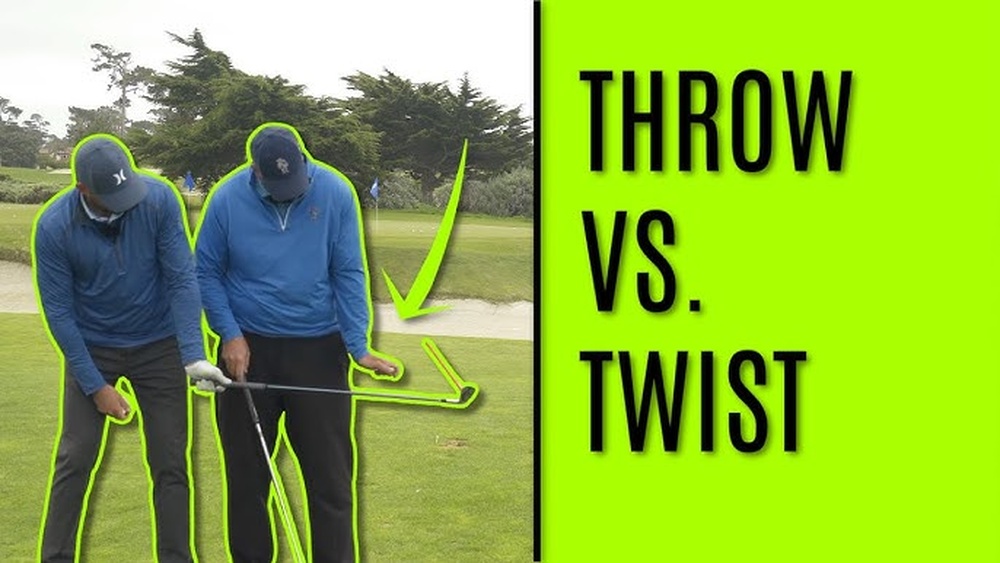
Are you struggling to improve your swing release and wondering whether to focus on the throw or the twist? Understanding the difference between these two techniques can transform your game and boost your performance instantly.
You’ll discover how mastering the right swing release method can give you more power, accuracy, and control. Keep reading to find out which approach suits you best and how to apply it for maximum results. Your next breakthrough is just a few steps away.

Credit: www.andrewricegolf.com
Basics Of Swing Release
The basics of swing release explain how the ball leaves your hand during a throw. This moment is key to good control and power. Understanding swing release helps improve accuracy and consistency. It involves different techniques, mainly throw and twist. Each style changes the ball’s path and speed.
Key Components Of Release
The release includes hand position, wrist action, and finger movement. Your hand must be steady and aligned with the target. The wrist should snap naturally to add speed. Fingers guide the ball’s spin and direction. Timing is also critical. Letting go too early or late affects flight.
Impact On Throwing Accuracy
How you release the ball changes where it goes. A clean, smooth release leads to better aim. Small changes in wrist or finger motion can shift the ball off target. Consistency is important to hit the mark every time. Practicing release builds muscle memory and control.

Credit: www.youtube.com
Throw Release Technique
The Throw Release Technique is a key part of the swing release. It helps control the speed and direction of the object. Proper use improves accuracy and power. Small changes in technique create big differences in results.
This technique requires focus on body movement and arm action. It is simple but needs practice to get right. Understanding the basics helps avoid common mistakes and injury.
Body Positioning
Stand with your feet shoulder-width apart. Keep your knees slightly bent for balance. Your torso should face the target. Shift your weight forward during the throw. This helps generate more power and control. Keep your head steady and eyes on the target.
Arm Movement
Start with your arm raised behind your head. Keep your elbow bent at about 90 degrees. Move your arm forward in a smooth motion. Release the object as your arm reaches full extension. Follow through by letting your arm continue forward. This ensures better accuracy and distance.
Common Mistakes
Many throw too early or too late, losing power. Avoid stiff arms; keep them relaxed for fluid motion. Do not twist your body too much; it causes imbalance. Failing to follow through reduces the throw’s effectiveness. Poor foot positioning can lead to instability and injury.
Twist Release Technique
The Twist Release Technique offers a smooth and controlled way to release the ball. It focuses on rotating the wrist and forearm during the release. This action helps create spin and adds accuracy to the throw. Many players find this method easier to master than the traditional throw release.
Core Engagement
The core muscles play a key role in the twist release. Tightening the abs and lower back helps stabilize the body. This stability allows for better control of the arm’s rotation. A strong core prevents unwanted movements and keeps the release steady. It also helps generate power without straining the arm.
Wrist And Hand Action
The wrist must rotate naturally for a successful twist release. The hand turns slightly as it lets go of the ball. This motion adds spin and guides the ball’s path. The fingers work to control the speed and direction. Proper wrist action reduces the chance of the ball slipping early.
Benefits Over Throw Release
The twist release offers more control over the ball’s spin. It reduces stress on the elbow and shoulder joints. This makes it safer for players who throw often. It also allows for a smoother release, improving accuracy. The method works well for both beginners and experienced players.
Comparing Throw And Twist
Comparing the throw and twist swing releases helps players choose the best fit. Each style offers unique benefits and challenges. Understanding these differences improves your swing and overall play. Below, we examine key aspects of speed, control, and suitability.
Speed And Power Differences
The throw release generates faster swings. It uses a direct arm movement to speed up the clubhead. This style often produces more power and longer shots. The twist release adds a rotational motion. This can reduce raw speed but adds fluidity. Players using twist may sacrifice some power for smoother swings.
Control And Precision
Twist release offers better control over the clubface. Its rotation helps square the club at impact. This leads to more accurate shots. Throw release can be harder to control. The fast arm action may cause timing issues. Precision may drop if the swing is rushed or tense.
Suitability For Different Players
Throw release suits players who rely on power and fast swings. It fits those with strong arms and quick reflexes. Twist release suits players valuing accuracy and smooth rhythm. It benefits beginners and those with less arm strength. Choosing depends on your style and physical ability.
Training Drills For Throw Release
Training drills for throw release help improve control and power in your swing. These exercises focus on the timing and technique of the throw release. Practicing these drills builds muscle memory and enhances your overall performance.
Consistent practice with the right drills can make your throw release smooth and accurate. It also helps you understand the difference between throw and twist in your swing. Let’s explore some effective drills and tips to progress safely.
Drill Examples
Start with simple drills that isolate the throw motion. Use a lightweight club or training aid to focus on hand and wrist action. Practice slow and controlled swings to feel the release point.
Try the “pause and throw” drill. Pause at the top of your backswing, then throw the club forward. This builds awareness of the throw release timing. Another drill is the “step-through throw.” Step forward as you throw to improve balance and power.
Progression Tips
Begin drills at a slow pace to ensure correct form. Gradually increase speed as your control improves. Avoid rushing through drills to prevent bad habits.
Track your progress by recording your swings. Compare your throw release in different sessions. Focus on smoothness and consistency. Use feedback to adjust and refine your technique step by step.
Training Drills For Twist Release
Training drills for twist release help improve control and power in your throw. These drills focus on the wrist and arm movement that creates the twist. Practicing regularly builds muscle memory and smooths your technique. Consistent training helps you throw with better accuracy and speed.
Drill Examples
Start with a towel twist drill. Hold a towel with both hands and twist it tightly. Switch direction after a few seconds to balance muscle use. This warms up your wrists and forearms.
Next, try the wrist roll drill. Hold a lightweight ball and roll it around your wrist using small circular motions. This increases wrist flexibility and strength.
Use a resistance band for twist strength. Attach the band to a sturdy object. Hold the band and twist your wrist against its pull. Repeat for several reps on each side.
Progression Tips
Begin drills slowly to focus on form. Speed up only after you feel comfortable. Add more repetitions gradually to build endurance.
Increase resistance step-by-step. Use heavier bands or balls as your strength improves. Avoid rushing to prevent injury.
Record your practice to check your technique. Compare your wrist and arm movements with good examples. Adjust your form based on what you see.
Common Challenges And Fixes
Swing release techniques, whether throw or twist, often present common challenges. These issues affect timing, power, and accuracy. Many players struggle with releasing the swing too early or too late. Others find it hard to repeat the same motion consistently. Fixing these problems improves overall performance and enjoyment of the game.
Overcoming Release Timing Issues
Release timing affects how well you connect with the ball. Releasing too early causes weak shots. Releasing too late leads to misses or poor control. Practice drills that focus on rhythm and tempo. Use a metronome or count in your head. Watch slow-motion videos of your swing to spot timing errors. Adjust your stance and grip for better control. Consistent practice helps your body learn the right timing.
Improving Consistency
Consistency builds confidence and better results. Inconsistent swings waste energy and cause frustration. Focus on a simple, repeatable motion. Keep your grip firm but relaxed. Use markers or targets during practice. Record each swing to track progress. Develop a pre-shot routine to prepare your mind and body. Small, steady changes lead to lasting improvement.
Equipment And Setup Tips
Choosing the right equipment and setting it up properly helps improve your swing release. Small changes in your gear can make a big difference in your throw or twist technique. Focus on the ball and grip to find what works best for you.
Choosing The Right Ball
Select a ball that fits your hand comfortably. It should not be too heavy or too light. The ball’s surface also matters. A smoother ball slides better on the lane, while a rougher ball gives more hook. Pick a ball type that matches your style of release, either throw or twist.
Grip Adjustments
Your grip controls the ball’s path. Use a grip that feels natural and stable. Adjust your finger and thumb placement for better control. A tighter grip can help with a stronger throw, while a looser grip may improve your twist. Practice different grips to see which helps you release the ball smoothly.
Frequently Asked Questions
What Is The Difference Between Swing Release Throw And Twist?
Swing release throw involves releasing the ball forward, while twist adds a rotational spin. Throw focuses on distance and accuracy, whereas twist enhances control and ball movement.
When Should I Use A Throw Versus A Twist Swing Release?
Use throw for powerful, straight shots. Use twist for curved or controlled ball placement. The choice depends on game strategy and desired ball trajectory.
How Does Swing Release Affect Ball Speed And Control?
Throw releases generate higher ball speed and power. Twist releases provide better control and precision. The swing release style directly impacts ball behavior during play.
Can Mastering Both Throw And Twist Improve My Game?
Yes, mastering both swing release types enhances versatility. It allows adapting to different game situations and opponents, improving overall performance and scoring opportunities.
Conclusion
Choosing between throw and twist swing releases affects your performance. Throw releases focus on speed and power. Twist releases give more control and accuracy. Each method suits different styles and goals. Practice both to find what feels best. Remember, consistency beats quick changes every time.
Keep your swings smooth and steady. The right release helps improve your overall game. Try different techniques and see what works. Stay patient and enjoy the learning process. Your skills will grow with time and effort.
Post Disclaimer
The information contained in this post is for general information purposes only. The information is provided by Swing Release: Throw Vs. Twist – Ultimate Guide to Perfect Form and while we endeavour to keep the information up to date and correct, we make no representations or warranties of any kind, express or implied, about the completeness, accuracy, reliability, suitability or availability with respect to the website or the information, products, services, or related graphics contained on the post for any purpose. For any copyright related requests, please write to us on our contacts page.