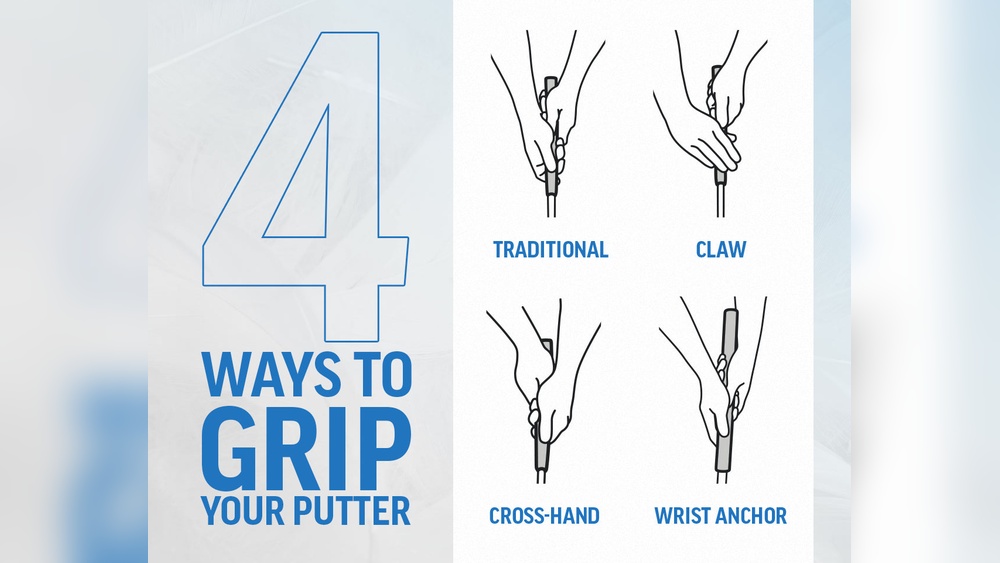
When it comes to improving your putting game, the grip you use can make a huge difference. You might not realize it, but the type of putter grip you choose affects your control, comfort, and confidence on the green.
If you’ve ever felt inconsistent or struggled with your putting, changing your grip could be the simple fix you need. You’ll discover the different types of putter grips and how each one can help you play better. Keep reading to find the perfect grip that fits your style and helps you sink more putts.
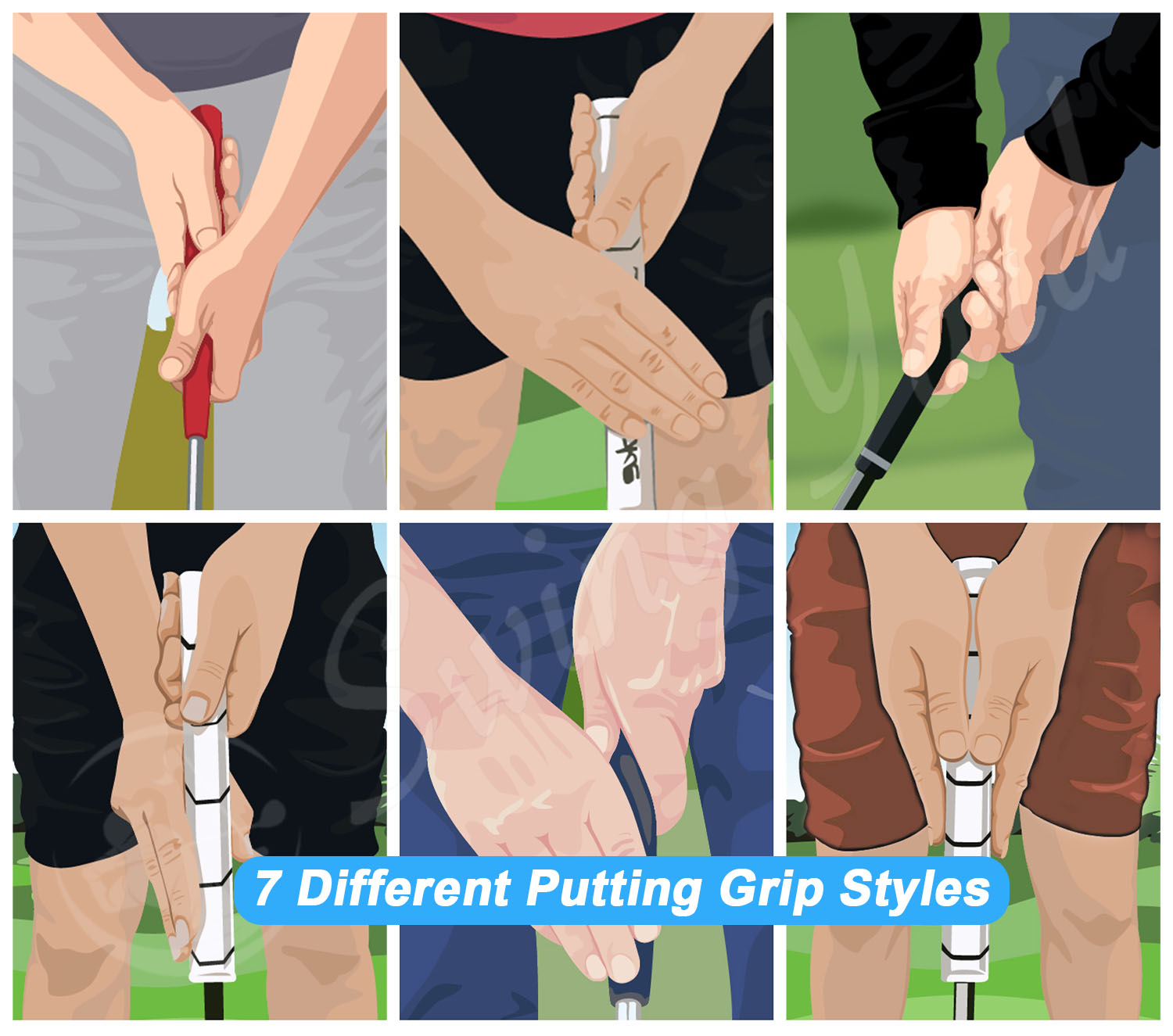
Credit: swingyard.com
Putter Grip Basics
A putter grip plays a vital role in your golf setup. It connects your hands to the club. Choosing the right grip helps you feel comfortable and confident. It also improves your putting accuracy. Understanding the basics of putter grips helps you pick the best one for your style.
Each putter grip has unique features that affect control and feel. Knowing these features can help you make better choices. Let’s explore the purpose, control aspects, and materials of putter grips.
Purpose Of A Putter Grip
The putter grip’s main job is to provide a secure hold. It keeps the club steady in your hands. This reduces slipping during your stroke. It also helps you apply the right amount of pressure. A good grip encourages smooth, consistent putting motions.
How Grip Affects Control
The grip size and texture influence your control over the putter. A thick grip can reduce wrist movement, leading to steadier strokes. A thinner grip offers more feel but may cause more wrist action. The grip texture affects how much the club moves in your hands. A tacky surface gives better hold but might feel sticky.
Common Materials Used
Putter grips come in various materials. Rubber is popular for its tackiness and durability. Synthetic blends offer softness and weather resistance. Leather grips provide a classic feel and good traction. Foam grips deliver extra comfort but wear out faster. Each material changes the grip’s feel and performance.
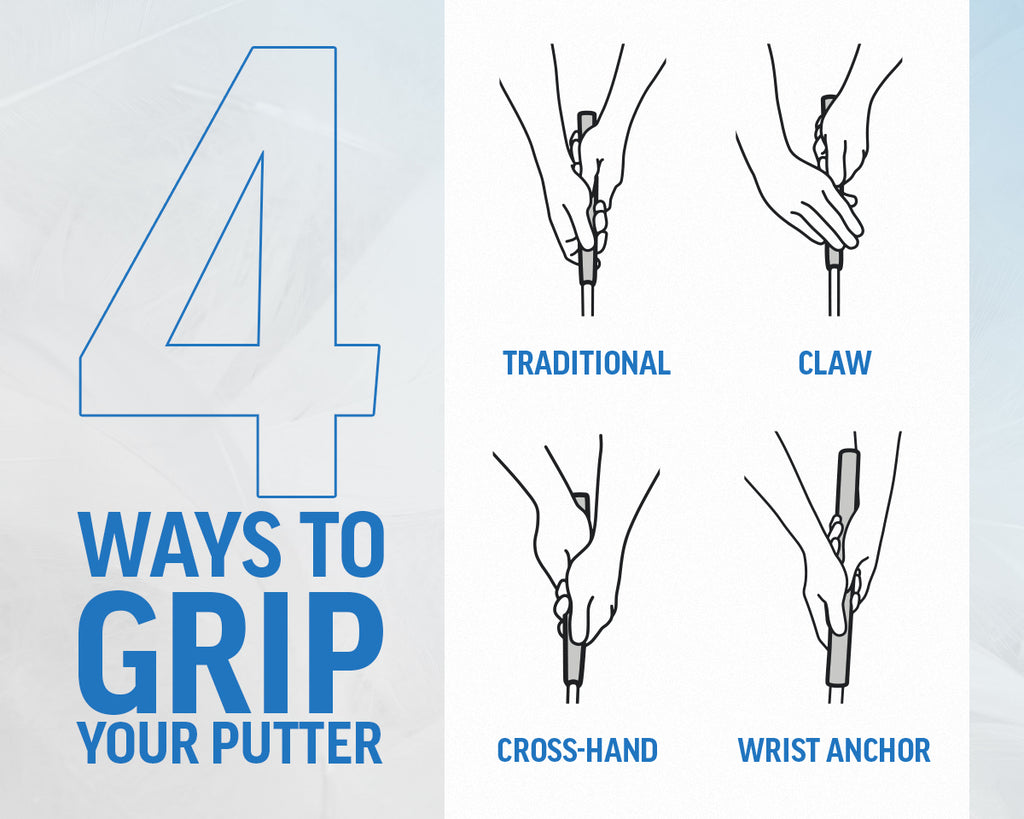
Credit: superstrokeusa.com
Standard Putter Grips
Standard putter grips remain popular among many golfers for their simplicity and reliability. These grips offer solid feel and control, which many players prefer on the green. They come in different materials and textures to suit various preferences.
Traditional Leather Grips
Leather grips provide a classic look and smooth touch. They soften with use, giving a comfortable feel. These grips offer good feedback, helping golfers sense their stroke. Leather grips require care to stay in good shape.
Rubber Grips
Rubber grips are durable and provide excellent traction. They resist moisture well, keeping hands dry during swings. Many golfers choose rubber for its consistent feel in different weather. These grips are often affordable and easy to maintain.
Corded Grips
Corded grips include woven fibers inside the rubber. This design adds extra grip, especially in wet conditions. They offer firm control and reduce slipping during the stroke. Corded grips suit players who want strong hold and durability.
Oversized And Jumbo Grips
Oversized and jumbo putter grips are larger than standard grips. They offer more surface area for your hands. These grips help reduce wrist movement during putting. Many golfers find them easier to control. They can improve your consistency on the green.
These grips come in different shapes and materials. Some are soft, while others have a firmer feel. The size and texture can affect your putting style. Choosing the right oversized or jumbo grip can make a big difference.
Benefits For Stability
Oversized and jumbo grips provide better stability. The larger size reduces wrist action in your stroke. They help keep your hands steady and relaxed. This leads to smoother and straighter putts. The extra grip surface also improves control and feel.
Popular Designs
Many brands offer oversized and jumbo grips. Some designs feature a flat front for better hand placement. Others have a round shape for comfort. Textured surfaces enhance grip and reduce slipping. You can find grips in different colors and materials.
Who Should Use Them
Golfers with shaky hands benefit most from these grips. Players who want to limit wrist movement also prefer them. Those with arthritis or hand pain find them easier to hold. Beginners may find oversized grips more forgiving. They suit anyone seeking more control and confidence.
Counterbalanced Grips
Counterbalanced grips are designed to shift more weight to the top of the putter. This creates a balance that helps control the stroke better. These grips feel heavier in your hands but can improve your putting rhythm and stability.
Many golfers find counterbalanced grips helpful, especially if they struggle with wrist movement during putting. The extra weight helps keep the putter steady and smooth.
Weight Distribution Explained
In counterbalanced grips, weight moves from the clubhead to the grip end. This shifts the putter’s balance point upward. The grip feels heavier, while the clubhead feels lighter.
The added weight at the top helps slow down the stroke. It reduces unwanted wrist action. This can lead to a smoother, more controlled putting stroke.
Improving Stroke Consistency
Counterbalanced grips help keep your hands steady. They reduce shaking or twisting during the stroke. This leads to more consistent putts.
Many golfers experience better distance control. The heavier grip makes it easier to maintain a pendulum-like stroke. This consistency improves overall accuracy on the green.
Examples And Brands
Several brands offer counterbalanced putter grips. SuperStroke’s CounterCore line is popular among golfers. It combines extra weight and a soft feel.
Winn and Golf Pride also have counterbalanced grips. Each brand offers different sizes and textures. This helps golfers find the right fit and feel for their stroke.
Mid-size Grips
Mid-size putter grips offer a smart middle ground between thin and oversized grips. They provide enough thickness for comfort but stay slim enough for good feel. Many golfers find them easy to hold and control. This grip size helps reduce hand tension and improves putting consistency.
Balance Between Control And Comfort
Mid-size grips strike a balance between control and comfort. They are thicker than standard grips, which lessens wrist movement. This helps keep the putter face square at impact. The grip also feels soft and cushioned, reducing hand fatigue during long rounds.
The size is not too big to lose touch with the putter. Nor is it too small to cause strain. This balance helps golfers maintain a smooth putting stroke and better distance control.
Ideal Player Types
Golfers who prefer a natural feel with some extra cushion like mid-size grips. They work well for players with average hand size. Also, golfers who experience tension or discomfort with standard grips benefit from mid-size grips.
These grips suit players wanting improved stability without losing feel. Mid-size grips help maintain confidence in putting for many skill levels. They fit well for those who want a simple, effective grip option.
Specialty Putter Grips
Specialty putter grips offer unique designs that improve control and comfort. They help golfers find better hand placement and reduce wrist movement. These grips come in different shapes and sizes to fit various putting styles. Choosing the right specialty grip can boost confidence on the green.
Pistol Grips
Pistol grips have a shape like a handgun handle. This design helps golfers hold the putter firmly. It supports the palms and fingers, giving a steady feel. Many players like pistol grips for their comfort and control. They reduce tension in the hands during the stroke.
Flat Front Grips
Flat front grips have a smooth, flat surface on the front side. This feature guides the fingers to align properly. It helps keep the putter face square to the target line. Golfers who struggle with twisting the putter often prefer this grip. The flat front promotes a more consistent stroke.
Double Tapered Grips
Double tapered grips are thicker in the middle and thinner at both ends. This shape allows the hands to rest naturally and comfortably. It encourages a light grip pressure, which improves feel and control. Many golfers find that double tapered grips reduce hand fatigue. These grips suit players who want a balanced and smooth putting motion.
Choosing The Right Grip Size
Choosing the right putter grip size is key for comfort and control. A grip that fits well helps steady your hands and improves your stroke. Too small or too large grips can cause tension or poor alignment. Understanding your hand size and stroke style guides you to the best fit. Weather also plays a role in how your grip performs.
Measuring Your Hand
Start by measuring your hand to find the right grip size. Use a ruler to measure from the tip of your middle finger to the base of your palm. This length helps determine if you need a small, midsize, or jumbo grip. You can also try different grips in store to feel what fits best. Comfort and control are the main goals.
Matching Grip Size To Stroke
Your stroke style affects the grip size you choose. A firmer, more aggressive stroke usually works well with a smaller grip. It allows better wrist movement and control. A smoother, softer stroke may benefit from a larger grip. This helps reduce wrist action and promotes a straight path. Try different sizes to see which supports your natural swing.
Adjusting For Weather Conditions
Weather changes can affect your grip’s feel and performance. In cold weather, thicker grips provide more insulation and comfort. Wet conditions call for grips with better texture to prevent slipping. Some grips come with materials that stay tacky in rain or dew. Choose a grip that keeps your hands steady no matter the weather.

Credit: www.youtube.com
Grip Installation And Maintenance
Proper grip installation and maintenance help improve your putting accuracy. A well-installed grip feels comfortable and secure. It also supports a smooth putting stroke. Regular maintenance keeps the grip clean and tacky. This prevents slipping during your putt.
Taking care of your putter grip extends its life. It also ensures consistent performance on the greens. Here are some key tips on replacing, cleaning, and knowing when to change your grip.
Replacing Your Grip
Start by removing the old grip carefully. Use a grip remover or a sharp blade to cut it off. Clean the shaft to remove any leftover adhesive. Apply double-sided grip tape evenly around the shaft. Use grip solvent or soapy water to slide the new grip on. Align the grip properly and let it dry for a few hours. Avoid using the putter until the grip is fully set.
Cleaning Tips
Clean your putter grip regularly with warm water and mild soap. Use a soft cloth or sponge to wipe it gently. Avoid harsh chemicals that can damage the grip material. Dry the grip completely before using it again. Cleaning removes dirt and oils that reduce grip tackiness. This keeps your hands from slipping during putting.
When To Change Your Grip
Change your grip if it feels slippery or worn out. Look for cracks, tears, or flat spots on the grip. If your putting stroke feels inconsistent, the grip might be the cause. Also, replace the grip if it has lost its tackiness despite cleaning. A fresh grip improves control and confidence on the green.
Frequently Asked Questions
What Are The Main Types Of Putter Grips?
The main types include the pistol grip, blade grip, and oversized grip. Each offers different comfort and control levels. Choosing depends on your putting style and hand size. Proper grip improves accuracy and feel during putting.
How Does Grip Size Affect Putting Performance?
Grip size influences control and comfort. Larger grips reduce wrist action and help stabilize the stroke. Smaller grips offer more feel but can increase wrist movement. Selecting the right size enhances consistency and confidence on the greens.
Which Putter Grip Suits Beginners Best?
Oversized or pistol grips are best for beginners. They provide better stability and reduce wrist breakdown. This makes putting easier to control and learn. Beginners should try different grips to find the most comfortable option.
Can Changing Putter Grip Improve My Putting?
Yes, changing your putter grip can improve your stroke. A better grip enhances control, comfort, and confidence. Experimenting with different types helps find the best fit for your style. This can lead to more accurate and consistent putts.
Conclusion
Choosing the right putter grip can improve your feel and control. Each type offers a unique way to hold the club. Some grips reduce wrist movement, while others provide comfort and stability. Test different grips to find what suits your style best.
Small changes can lead to better putting results. Practice often with your chosen grip for consistency. Enjoy the process and keep your focus on the green. Your putting can become smoother and more confident over time.
Post Disclaimer
The information contained in this post is for general information purposes only. The information is provided by Different Types of Putter Grip: Ultimate Guide to Perfect Control and while we endeavour to keep the information up to date and correct, we make no representations or warranties of any kind, express or implied, about the completeness, accuracy, reliability, suitability or availability with respect to the website or the information, products, services, or related graphics contained on the post for any purpose. For any copyright related requests, please write to us on our contacts page.