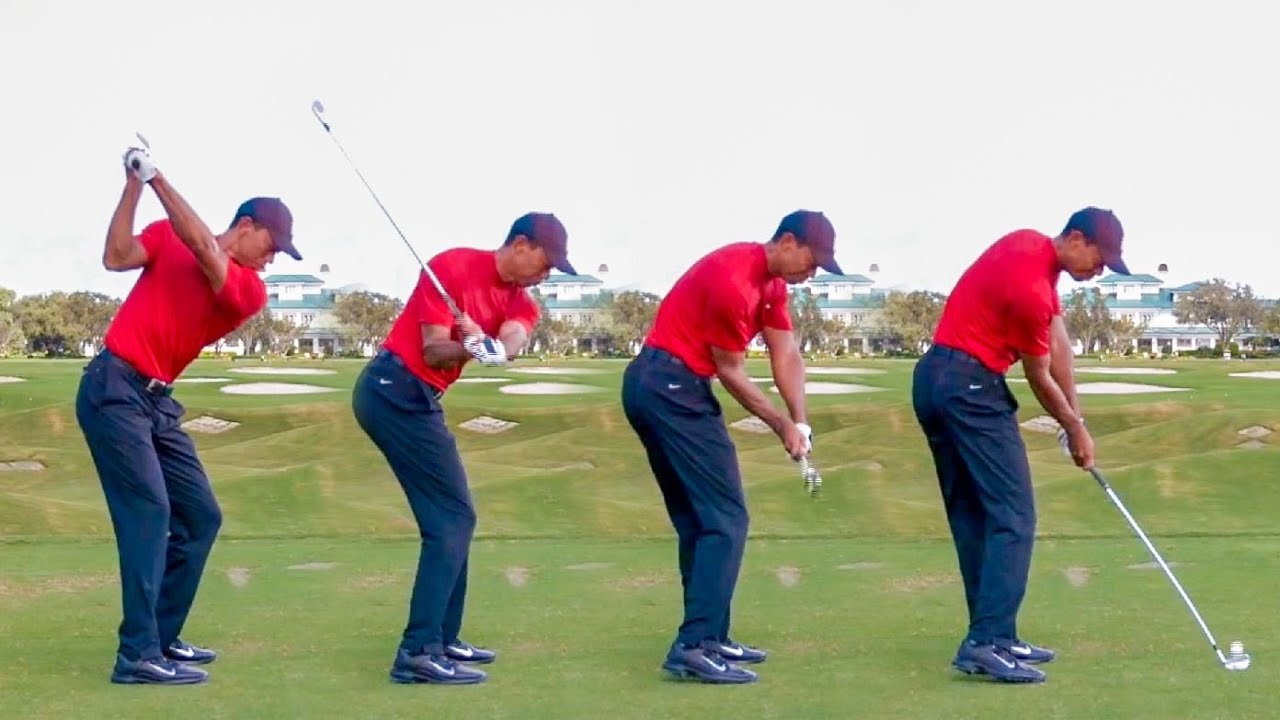
If you want to improve your golf game, studying Tiger Woods’ swing is a must. His swing is powerful, smooth, and precise—something every golfer dreams of mastering.
But what makes his swing so special? You’ll get a clear, step-by-step breakdown of Tiger Woods’ swing. By understanding the key moves and techniques he uses, you can start applying them to your own game right away. Ready to unlock the secrets behind one of golf’s greatest swings?
Keep reading, and watch your skills take a big leap forward.
Tiger Woods Swing Basics
Tiger Woods is famous for his smooth and powerful golf swing. His swing basics show how important simple steps are. These steps help him hit the ball far and straight. Understanding these basics can improve your golf too.
Focus on stance, grip, and posture. Each part works together. They create a strong and balanced swing. Let’s break down the main parts of Tiger Woods’ swing basics.
Stance And Alignment
Tiger stands with his feet shoulder-width apart. This stance gives him good balance. His knees are slightly bent. He points his toes and hips toward the target line. This helps the ball fly straight. His weight is even on both feet. This stance prepares him for a smooth swing.
Grip Techniques
Tiger uses a strong grip on the club. His hands work together like a team. The left hand holds the club firmly. The right hand supports and guides. His thumbs point down the shaft. This grip helps control the clubface. It leads to accurate shots.
Posture Essentials
Tiger keeps his back straight but relaxed. He bends slightly at the hips. This position lowers his center of gravity. His arms hang naturally from the shoulders. This posture allows a full and free swing. It also reduces strain on his back.
Backswing Mechanics
Tiger Woods’ backswing mechanics set the foundation for his powerful and accurate shots. This phase shapes the direction and speed of the ball. Understanding his technique helps golfers improve their own swings.
The backswing involves a smooth, controlled motion. Each part works together to build energy for the downswing.
Shoulder Turn
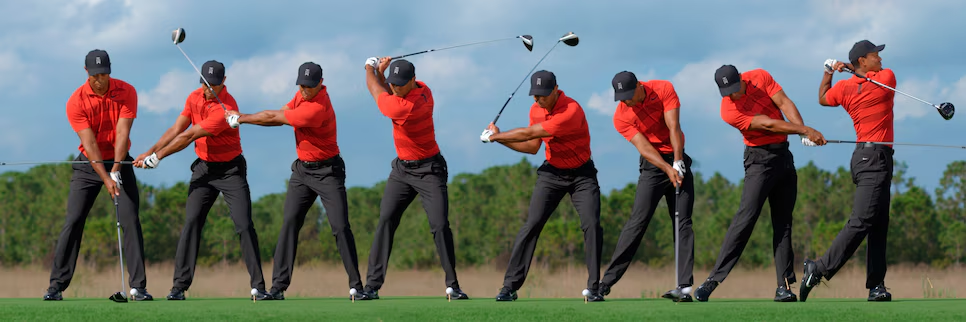
Tiger’s shoulder turn is full and balanced. He rotates his shoulders nearly 90 degrees. This creates torque and stores power. The hips turn less, allowing the upper body to lead. His head stays steady, helping maintain focus.
Arm Positioning
His lead arm stays straight but relaxed. The trail arm bends naturally at the elbow. Tiger keeps his wrists firm but not stiff. This positioning helps control the club’s path. It also protects against slicing or hooking the ball.
Weight Transfer
During the backswing, Tiger shifts weight to his back foot. About 60% of his weight moves there. This shift allows for a strong coil. As he reaches the top, the weight is ready to move forward. This transfer creates power and balance.
Downswing Dynamics
The downswing is the moment Tiger Woods sets power and precision in motion. This phase defines the success of each shot. Every move in his downswing shows control and skill. Understanding his downswing helps golfers improve their own swings.
Focus lies on three key parts: hip rotation, club path, and timing. These elements work together to create a smooth, strong downswing. Each part plays a vital role in Tiger’s swing dynamics.
Hip Rotation
Tiger’s hips start turning early in the downswing. This rotation creates energy that travels up to the club. His hips lead the movement, pulling his upper body through the shot. This action helps generate power and maintain balance. Proper hip rotation also prevents injury by reducing strain on the back.
Club Path
The club follows a precise path during Tiger’s downswing. It moves slightly from inside to square at impact. This path allows for solid contact with the ball. The swing path affects ball direction and flight. Tiger’s controlled club path helps him hit straighter, longer shots.
Timing And Rhythm
Tiger’s downswing has smooth timing and rhythm. His body and club move in harmony. This balance helps deliver power without rushing. Good rhythm keeps the swing consistent under pressure. Tiger’s timing allows him to strike the ball cleanly every time.
Impact And Follow-through
The impact and follow-through stages of Tiger Woods’ swing show his skill and control. These moments are key to the power and accuracy he delivers. At impact, the position of his body sets the tone for a clean strike. His release of the club helps guide the ball’s direction. Finally, his balanced finish shows his strong posture and focus.
Body Position At Impact
At impact, Tiger’s body is well-aligned and stable. His hips are open slightly towards the target. His weight shifts mostly to the front foot. The hands are ahead of the ball, helping to compress it. His eyes stay fixed on the spot where the ball was. This position creates a solid and powerful hit.
Release Of The Club
Releasing the club smoothly is crucial for Tiger’s shot control. He lets his wrists uncock naturally after impact. The clubface rotates to square through the ball’s path. This release adds spin and direction to the ball. It also reduces the chance of slices or hooks. The timing of this release is precise and fluid.
Balanced Finish
Tiger finishes his swing in a balanced stance. His chest faces the target fully. The back heel rises slightly off the ground. His arms extend naturally and relaxed. This balanced finish shows control and strength. It also helps prevent injuries and prepares for the next shot.
Common Swing Flaws
Many golfers try to copy Tiger Woods’ swing but face common mistakes. These flaws can reduce power and accuracy. Understanding these errors helps improve your swing and avoid problems.
Below are the most frequent swing mistakes seen in amateur golfers and sometimes even pros.
Over-the-top Move
The over-the-top move is a common error in the downswing. The club moves outside the target line too early. This causes a slice or pull, making the ball go off target. Tiger avoids this by keeping the club on the correct path.
Casting The Club
Casting happens when the golfer releases the wrists too soon. This loss of stored power reduces clubhead speed. The ball loses distance and height. Tiger keeps his wrists firm longer to hit stronger shots.
Loss Of Balance
Balance is key for a good swing. Losing balance causes poor contact and weak shots. Tiger maintains steady weight distribution throughout his swing. This keeps control and improves consistency.
Training Tips From Tiger
Tiger Woods trains with great care and focus. His training routine helps him keep a strong and steady swing. Understanding his training tips can improve your own golf skills. Tiger’s approach covers drills, strength, flexibility, and mental focus. Each part plays a key role in his success.
Drills For Consistency
Tiger practices drills that build muscle memory. Slow, controlled swings help him find the right motion. Repeating the same movement trains the body and mind. Using alignment sticks guides his swing path. These drills reduce errors and increase accuracy. Consistency is key for a reliable golf swing.
Building Strength And Flexibility
Tiger works on strength to power his shots. Core exercises improve balance and control. Flexibility routines keep his muscles loose and ready. Stretching prevents injury and enhances motion range. Strong and flexible muscles support a smooth swing. This balance helps Tiger maintain performance over time.
Mental Focus Techniques
Tiger uses mental exercises to stay calm and sharp. Visualization helps him see each shot before playing. Deep breathing controls nerves during tense moments. Focusing on the present shot blocks distractions. Mental strength allows Tiger to perform under pressure. A calm mind is as vital as physical skill.
Equipment Influence
Tiger Woods’ swing is world-famous, but his equipment plays a big role too. The right clubs help him hit the ball with power and accuracy. Equipment influences how he moves and how the ball flies. Understanding this part of his swing gives insights into his success.
Choosing The Right Clubs
Tiger uses clubs designed for his style and strength. Clubs vary in length, weight, and flexibility. Each part affects how the club feels and performs. Choosing clubs that fit your swing helps control the ball better. Tiger’s selection shows how important the right club is.
Custom Fitting Benefits
Custom fitting means adjusting clubs to match a player’s body and swing. Tiger’s clubs are shaped to fit his height and arm length. This fitting improves comfort and control during swings. It also helps avoid injuries by reducing strain. Custom fitting makes clubs a natural part of a player’s game.
Impact On Swing Performance
Good equipment affects swing speed and direction. Tiger’s clubs help him generate power and keep the ball on course. The right equipment reduces mistakes and increases confidence. His precise swing depends on how well the clubs work with his motion. Equipment shapes the way Tiger plays every shot.
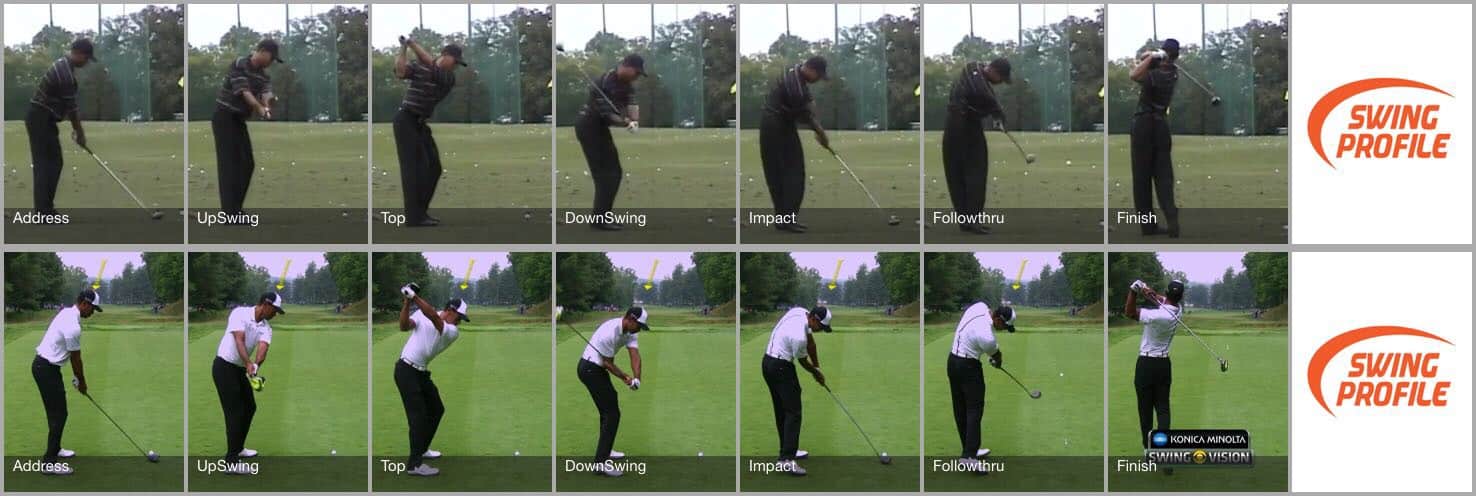
Credit: www.swingprofile.com
Analyzing Tiger’s Swing Videos
Tiger Woods is famous for his smooth and powerful golf swing. Watching his swing videos helps us see how he moves. We can learn a lot by studying each part carefully. This analysis shows what makes his swing special and how to copy some of his best moves.
Breaking down Tiger’s swing into small parts makes it easier to understand. Each frame in the video shows a new detail. Seeing these details helps improve your own swing. Let’s explore the key points from his videos.
Frame-by-frame Breakdown
Watch Tiger’s swing one frame at a time. Notice how he starts with a steady stance. Then, see how he shifts his weight during the backswing. The club moves smoothly, not rushed. At the top, his body is coiled tight, ready to release power. On the downswing, his hips lead the way. The follow-through is balanced and controlled. Each frame reveals a small step in the flow.
Key Movements To Imitate
Focus on Tiger’s wrist hinge early in the swing. His head stays still and eyes on the ball. The weight moves from the back foot to the front foot. His arms and shoulders work together in one motion. Tiger keeps a strong core to protect his back. His swing stays smooth, not jerky. These movements help create speed and accuracy.
Lessons From Different Shots
Tiger adapts his swing for different shots. For long drives, he uses more power and a wider stance. For short irons, he controls the club face carefully. On chips, his swing is shorter and softer. Watching these variations teaches control and flexibility. Each shot has a purpose and a unique style.

Credit: www.youtube.com
Frequently Asked Questions
What Makes Tiger Woods’ Swing Unique?
Tiger Woods’ swing combines power, precision, and timing. His balanced stance and fluid motion generate consistent, powerful shots. He maintains excellent control, allowing adaptability across different courses and conditions, setting his swing apart from others.
How Does Tiger Woods Generate Power In His Swing?
Tiger uses a strong hip rotation and weight transfer to generate power. His coil during the backswing stores energy, released explosively in the downswing. This technique maximizes clubhead speed and drives long, accurate shots.
What Role Does Tiger Woods’ Grip Play In His Swing?
Tiger’s grip is firm but relaxed, promoting control and flexibility. It helps square the clubface at impact, ensuring accuracy. His grip adapts slightly for different shots, showing versatility in his swing mechanics.
How Does Tiger Woods Maintain Swing Consistency?
Tiger practices precise body alignment and rhythm to maintain consistency. He focuses on muscle memory through repetitive drills and mental focus. This disciplined approach minimizes errors and improves shot reliability.
Conclusion
Tiger Woods’ swing shows precision and power in every move. Each step of his swing works together smoothly. His grip, stance, and follow-through create great balance. Studying his swing can help golfers improve their skills. Practice with patience and focus on these basics.
Small changes can lead to better shots and confidence. Keep watching and learning from the best players. Golf is about steady progress and enjoying the process. Embrace the challenge and keep swinging with purpose.
Post Disclaimer
The information contained in this post is for general information purposes only. The information is provided by Tiger Woods Swing Breakdown: Master the Secrets to Perfect Golf and while we endeavour to keep the information up to date and correct, we make no representations or warranties of any kind, express or implied, about the completeness, accuracy, reliability, suitability or availability with respect to the website or the information, products, services, or related graphics contained on the post for any purpose. For any copyright related requests, please write to us on our contacts page.