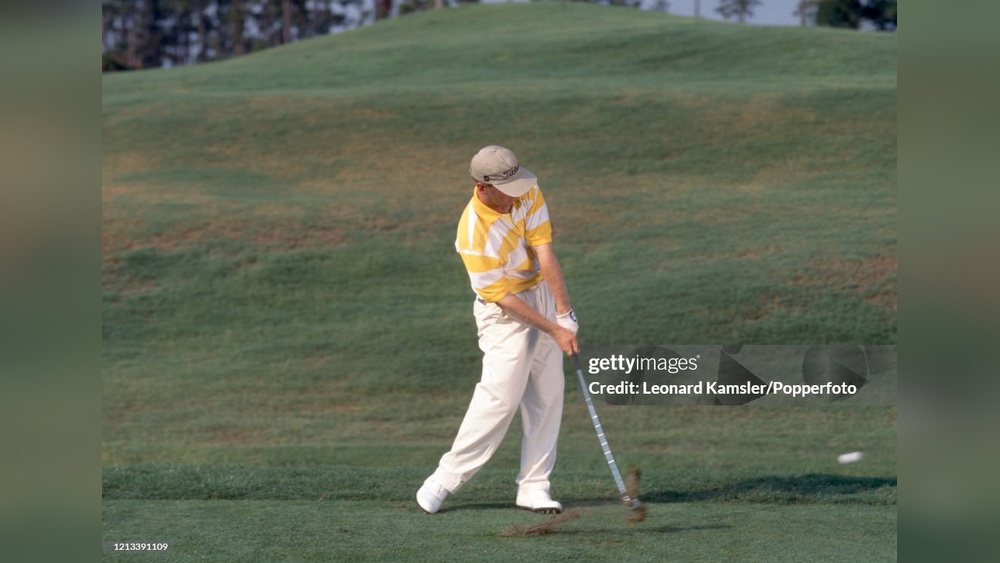
If you want to improve your golf game, understanding the swing of a pro like David Duval can make a huge difference. His smooth, powerful swing has helped him win major tournaments and earn respect on the course.
But what exactly makes his swing so effective? In this breakdown, you’ll discover the key moves and techniques that set David Duval apart. Whether you’re struggling with consistency or want to add more distance to your shots, this guide will give you clear insights you can apply right away.
Keep reading to unlock the secrets behind one of golf’s most impressive swings.
David Duval’s Swing Basics
David Duval’s swing basics show the foundation of his smooth, powerful golf swing. His approach helps players improve consistency and control. Understanding these basics can help you build a solid golf swing.
Stance And Alignment
David Duval stands with feet shoulder-width apart. This stance gives him stability and balance. He aligns his body parallel to the target line. His shoulders, hips, and feet point in the same direction. This alignment helps him hit straight shots consistently.
Grip Techniques
Duval uses a neutral grip, neither too strong nor too weak. His hands work together as one unit on the club. The grip pressure is firm but relaxed. This technique allows for better control and fluid swings. A good grip helps him maintain clubface control through impact.
Posture And Balance
David keeps a slight bend in his knees and leans slightly forward from the hips. His back stays straight but not stiff. This posture promotes balance and power in the swing. He shifts weight smoothly between his feet during the swing. Good posture helps him stay steady and generate speed.
Credit: www.youtube.com
Backswing Mechanics
The backswing is a key part of David Duval’s golf swing. It sets the tone for a strong and accurate shot. Understanding his backswing mechanics helps golfers improve their own swings. The backswing involves smooth movements and precise body control. Small details in the backswing can make a big difference in the shot’s outcome.
David Duval’s backswing is known for its fluidity and balance. Each part of the backswing works together to create power and accuracy. Let’s break down the main elements of his backswing mechanics.
Smooth Takeaway
David starts his backswing with a smooth takeaway. The club moves slowly away from the ball. This calm start helps maintain balance and control. The takeaway stays low to the ground. This keeps the swing on plane and reduces tension.
Arm And Wrist Position
His arms stay relaxed but firm. The left arm remains straight but not stiff. The wrists begin to hinge naturally. This hinge creates a wide swing arc. Proper wrist position helps generate speed and power. It also improves timing and consistency.
Body Rotation
David rotates his upper body smoothly during the backswing. His shoulders turn fully while his hips rotate less. This creates torque and stores energy. The weight shifts to the right side. The head stays steady to keep balance. This rotation is key for a powerful downswing.
Downswing Power
David Duval’s downswing power comes from his smooth and controlled movements. His swing shows a great balance of strength and technique. This balance helps him hit the ball far with accuracy. The key parts of his downswing include hip and shoulder movement, weight transfer, and clubhead speed.
Hip And Shoulder Movement
Duval starts his downswing by turning his hips toward the target. His hips lead the movement, creating space for his shoulders to follow. This motion creates torque, which adds power to the swing. His shoulders rotate smoothly, not too fast or slow. This helps keep the club on the right path.
Weight Transfer
Shifting weight is vital in Duval’s downswing. He moves his weight from his back foot to his front foot. This transfer creates momentum that helps drive the ball forward. The shift is quick but controlled, allowing him to stay balanced. It also helps generate more speed in the clubhead.
Clubhead Speed
Duval achieves high clubhead speed by combining his body movement and timing. His hips and shoulders work in sync to accelerate the club. The speed builds up as he approaches impact with the ball. This fast clubhead speed results in longer shots and better distance control.
Impact Position
The impact position in David Duval’s swing is key to his power and accuracy. It shows how his body and club work together at the moment the club hits the ball. This position reveals why his shots are so consistent and strong.
Hand And Club Alignment
At impact, Duval’s hands lead the clubhead slightly. This helps keep the clubface square to the target. His wrists stay firm but relaxed to control the club. The shaft leans slightly forward, promoting a downward strike. This alignment creates solid contact and good ball flight.
Body Positioning
Duval’s body stays balanced and steady at impact. His hips rotate toward the target while his shoulders stay level. His weight shifts mostly to the front foot. This weight move adds power and stability. The spine angle remains constant, helping him stay on plane.
Ball Contact
Duval strikes the ball first, then the ground. This clean contact compresses the ball well. The clubface meets the ball squarely for accuracy. His timing ensures a crisp, solid hit every time. This contact style helps him control distance and direction.
Follow-through Technique
The follow-through technique in David Duval’s swing is key to his smooth style. It controls power and direction. A good follow-through keeps the body balanced and the club on path. This helps with consistency and distance.
Balanced Finish
David Duval ends his swing with a balanced finish. He stands tall, with his weight mostly on his front foot. This stance shows control and stability. It prevents rushing and keeps the swing fluid. A balanced finish also helps avoid injury.
Swing Path
His swing path flows naturally into the follow-through. The club moves in a wide arc, not too steep or flat. This path allows for a clean strike of the ball. It also guides the ball’s flight toward the target. Keeping the swing path steady is vital for accuracy.
Maintaining Momentum
Duval keeps the momentum going after hitting the ball. His body turns fully, letting the club finish high. This momentum helps transfer energy efficiently to the ball. It also prevents the swing from stopping too soon. Keeping the flow smooth aids in consistent shots.

Credit: www.youtube.com
Common Swing Mistakes
Many golfers struggle with common swing mistakes that hurt their performance. These errors can cause less distance and poor accuracy. David Duval’s swing has a smooth rhythm. Understanding his mistakes helps improve your own swing.
Fixing these mistakes can lead to better consistency and more confidence on the course. Watch for these three common errors in your swing.
Over-the-top Swing
An over-the-top swing happens when the club moves outside the target line too early. This causes slices or pulls. David Duval avoids this by keeping his club on the right path. Check your swing path to stop this mistake.
Early Release
Early release means letting the wrists uncoil before impact. This lowers power and distance. Duval’s swing keeps the wrists firm until the right moment. Practice holding your wrist angle longer to fix early release.
Loss Of Balance
Losing balance during the swing causes poor contact and misses. Duval maintains strong balance with a steady stance and smooth weight shift. Focus on your foot placement and weight transfer to stay balanced.
Training Drills Inspired By Duval
David Duval’s golf swing shows smooth rhythm and strong technique. Training drills inspired by Duval help golfers improve control and power. These drills focus on tempo, strength, and swing path. Practicing them builds consistency and confidence on the course.
Tempo Control Exercises
Duval’s swing is known for its steady tempo. To copy this, practice swinging with a slow count. Count “one-two” while swinging back and “one-two” while swinging forward. This helps develop a smooth rhythm. Using a metronome app can guide your timing during practice.
Another drill is the pause drill. Pause for a second at the top of your backswing. This trains your body to stay balanced and controlled. It reduces rushed swings and improves shot accuracy.
Strength And Flexibility
Strong muscles and flexible joints help Duval’s powerful swing. Focus on exercises for your core, legs, and shoulders. Planks and side planks build core stability. Squats and lunges strengthen your legs for better balance.
Stretching your shoulders and hips increases swing range. Try shoulder circles and hip openers daily. These moves reduce injury risk and improve fluid motion.
Swing Plane Drills
Duval keeps his club on the right swing plane for consistent shots. Use alignment sticks or golf clubs on the ground to guide your swing path. Practice swinging along the sticks to build muscle memory.
The “gate drill” helps control club path. Place two tees just wider than your clubhead. Swing through the “gate” without hitting the tees. This trains your swing to stay on plane and improves ball contact.

Credit: newhorizonsgolf.com
Equipment Tips From Duval
David Duval knows that great golf starts with the right equipment. His tips help players choose gear that fits their style and strength. Using the right clubs can improve your swing and boost confidence. Below are key equipment tips from Duval to help you play better.
Club Selection
Duval stresses picking clubs that match your skill level. Choose clubs that feel comfortable in your hands. Avoid using clubs that are too long or too heavy. The right club helps control your shots and improve accuracy. Focus on clubs designed for your swing speed and style.
Custom Fitting
Custom fitting is essential for better performance. Duval advises getting fitted by a professional. They measure your height, arm length, and swing to find the perfect fit. Custom clubs reduce mistakes and increase distance. A proper fit makes your swing smoother and more natural.
Grip And Shaft Choices
Grips and shafts affect control and power. Duval recommends grips that feel secure but not tight. Shaft flexibility should match your swing speed for better timing. A softer shaft helps slower swings, while a stiffer shaft suits faster swings. Good grip and shaft choices improve comfort and shot consistency.
Frequently Asked Questions
What Makes David Duval’s Golf Swing Unique?
David Duval’s swing is known for its smooth tempo and balanced finish. He combines power with precision using a controlled backswing and strong wrist hinge. His swing promotes consistent ball striking and accuracy, making it a model for golfers seeking reliability and distance.
How Does David Duval Maintain Swing Consistency?
Duval focuses on rhythm and timing to keep his swing consistent. He uses a relaxed grip and steady posture, which reduces tension. Regular practice and attention to swing mechanics help him repeat his motion under pressure, leading to reliable performance on the course.
What Key Drills Improve David Duval’s Swing Style?
Drills that emphasize tempo, wrist hinge, and weight transfer improve Duval’s swing. Practicing slow-motion swings and impact position drills help develop control. Weight-shift exercises enhance power and balance, mirroring Duval’s smooth and effective golf swing mechanics.
How Does David Duval Generate Power In His Swing?
Duval generates power through a full shoulder turn and strong hip rotation. His swing uses ground force effectively, transferring energy from lower body to clubhead. This combination creates high clubhead speed without sacrificing accuracy or control.
Conclusion
David Duval’s swing shows balance and smooth rhythm. His grip and stance help him hit straight shots. Watching his swing teaches timing and control. Practice these steps slowly to improve your own swing. Small changes can bring big results on the course.
Keep practicing with patience and focus every day. Use Duval’s swing as a clear example to guide you. Golf gets better with steady effort and good habits. Enjoy the process and keep moving forward.
Post Disclaimer
The information contained in this post is for general information purposes only. The information is provided by David Duval Swing Breakdown: Master the Pro’s Secrets Today and while we endeavour to keep the information up to date and correct, we make no representations or warranties of any kind, express or implied, about the completeness, accuracy, reliability, suitability or availability with respect to the website or the information, products, services, or related graphics contained on the post for any purpose. For any copyright related requests, please write to us on our contacts page.