
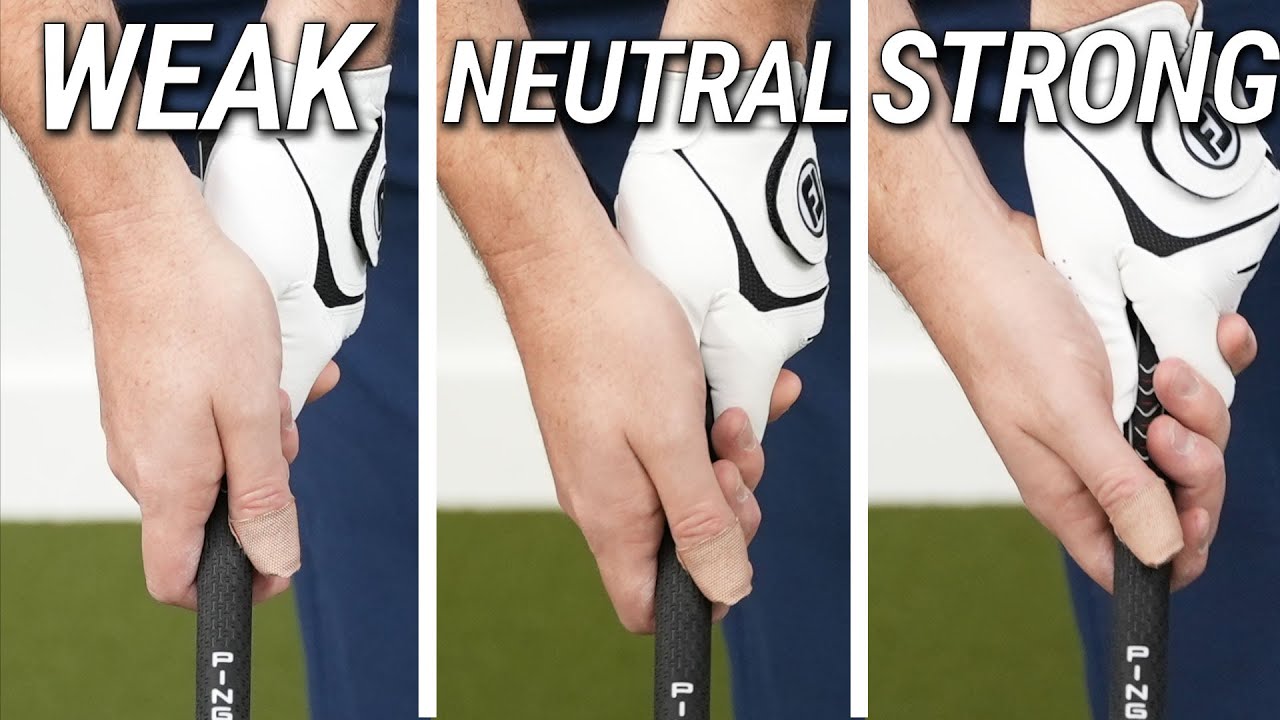
Achieving the correct golf grip is crucial for optimal performance and consistency in your game. The grip involves placing your hands on the club in a specific way to ensure control and power in your swing.
Mastering the correct technique can significantly impact your overall golfing experience and help you achieve better results on the course. In this guide, we will explain the key elements of the golf grip and provide tips for improving your technique.
By understanding and implementing the correct grip, you can enhance your game and take it to the next level. Let’s dive in and explore the essential aspects of mastering the golf grip.
The Importance Of A Proper Golf Grip
A proper golf grip is fundamental to a golfer’s game. It serves as the foundation of a solid swing and greatly impacts the direction and distance of the shot. Understanding the importance of a correct grip can significantly improve a golfer’s overall performance on the course.
Foundation Of Your Swing
The golf grip is the foundation of your swing. It directly affects the clubface’s position at impact. A proper grip ensures the clubface is square at impact, promoting straighter and more accurate shots. The grip also establishes the connection between the golfer and the club, influencing the entire swing motion.
Impact On Direction And Distance
The grip has a direct impact on the direction and distance of the shot. An incorrect grip can lead to slices, hooks, and inconsistent ball flights. Conversely, a proper grip allows for more control over the club, resulting in improved accuracy and increased distance. Correcting the grip can lead to significant improvements in a golfer’s overall game.
Anatomy Of The Golf Grip
The anatomy of the golf grip is crucial for achieving a proper and effective hold on the club. Understanding the different grip styles and grip pressure essentials is essential for every golfer looking to improve their game.
Different Grip Styles
Golfers can choose from various grip styles, including the overlapping, interlocking, and ten-finger grips. Each style offers different advantages and is a matter of personal preference.
Grip Pressure Essentials
Maintaining the right grip pressure is key to a successful swing. Balancing not too tight or too loose ensures control and power during the swing.
Steps To Perfecting Your Golf Grip
Learn the correct technique for perfecting your golf grip with these easy-to-follow steps. Improve your swing and enhance your overall performance on the golf course by mastering this essential aspect of the game.
Golf grip is one of the most important aspects of the game. It can make or break your shot, and therefore, it is crucial to get it right. Here are the steps to perfecting your golf grip.
Positioning Your Hands
The first step to a perfect golf grip is to position your hands correctly. Start by holding the club with your left hand and placing it at the base of your fingers. Ensure that your thumb is pointing down the shaft. Next, place your right hand on the club, making sure that your left thumb fits comfortably in the space between your right palm and fingers. Your right thumb should also be pointing down the shaft.
Securing Your Grip
Once you have positioned your hands correctly, the next step is to secure your grip. Your left hand should be gripping the club with your palm facing the target. The grip pressure should be firm but not too tight. Your right hand should be placed on top of your left hand, making sure that both thumbs are pointing down the shaft. Your grip pressure should be lighter than the left hand.
Common Mistakes To Avoid
Avoid these common mistakes when perfecting your golf grip:
- Do not grip the club too tightly, as it can hinder your swing.
- Avoid interlocking your fingers, as it can lead to inconsistent shots.
- Do not let your hands slide too far down the grip, as it can cause the clubface to close, resulting in a hook shot.
Practice Makes Perfect
Perfecting your golf grip takes time and practice. It may feel uncomfortable at first, but with consistent practice, it will become second nature. Remember to check your grip regularly, especially if you are experiencing inconsistent shots. With the correct grip, you can improve your swing and take your golf game to the next level.
Grip Styles Explained
When it comes to mastering the game of golf, one of the most crucial elements to focus on is the grip. The way you hold the club can significantly impact your swing and overall performance on the course. Understanding the various grip styles is essential for finding the right technique that works best for you. Let’s explore the different grip styles and their nuances.
The Interlocking Grip
The interlocking grip involves intertwining the pinky finger of the trailing hand with the index finger of the lead hand. This style is popular among players with smaller hands or those seeking a more connected feel during the swing.
The Vardon (overlap) Grip
The Vardon, also known as the overlap grip, is characterized by the trailing hand’s little finger resting on top of the index finger of the lead hand. This grip is favored by many professional golfers for its stability and control.
The Baseball (ten Finger) Grip
Also known as the ten finger grip, the baseball grip involves all ten fingers being in contact with the club. It is often recommended for beginners or individuals with hand injuries, as it provides a more secure hold on the club.
Common Golf Grip Mistakes
When it comes to playing golf, the grip is one of the most important aspects of the game. However, many golfers make common grip mistakes that can affect their swing and overall game. In this article, we will explore some of the most common grip mistakes and how to avoid them.
Too Tight Or Too Loose
One of the most common grip mistakes is holding the club too tight or too loose. Holding the club too tight can result in tension in the arms and shoulders, leading to an inconsistent swing and loss of distance. On the other hand, holding the club too loose can lead to an unstable grip, causing the club to twist during the swing. To avoid this mistake, hold the club with a firm but relaxed grip. Your grip pressure should be just enough to keep the club from slipping out of your hands. Try to keep your arms and shoulders relaxed throughout your swing.
Improper Hand Placement
Another common mistake is improper hand placement on the club. Placing your hands too far apart or too close together can affect your swing plane and lead to inconsistent shots. Additionally, having your hands in the wrong position can lead to an open or closed clubface, resulting in a slice or hook. The proper hand placement for a standard grip is to place your lead hand (left for right-handed golfers) on the club with the thumb pointing straight down the shaft. Place your trail hand (right for right-handed golfers) on the club so that it rests against your lead thumb. Make sure your hands are close together and that your grip pressure is even between both hands. This will help you maintain a consistent swing and square clubface at impact.
Adjusting Your Grip For Different Shots
When it comes to mastering the game of golf, having the correct grip is essential. However, it’s important to understand that the grip you use can vary depending on the shot you’re trying to make. In this section, we’ll explore the correct technique for adjusting your grip for different shots, including driving, putting, and chipping.
Driving
The grip for driving is crucial to generate power and accuracy off the tee. To achieve this, follow these simple steps:
- Place your lead hand (left hand for right-handed golfers) on the club, aligning the pad of your hand with the club’s grip.
- Wrap your fingers around the grip, ensuring a secure hold without squeezing too tightly.
- Position your trail hand (right hand for right-handed golfers) just below your lead hand, with the thumb resting on the club’s grip.
- Interlock or overlap your trail hand’s pinky finger with your lead hand’s index finger, creating a unified grip.
- Ensure your grip is firm but relaxed, allowing for a full range of motion in your swing.
By following these steps, you’ll have a solid grip for driving, enabling you to generate power and control your shots off the tee.
Putting
When it comes to putting, a delicate touch and precise control are paramount. To achieve this, follow these steps for the correct putting grip:
- Place your lead hand on the club, aligning the putter’s grip with the lifeline of your palm.
- Wrap your fingers around the grip, ensuring a light and relaxed hold.
- Position your trail hand just below your lead hand, with the thumb resting on the putter’s grip.
- Overlap your trail hand’s pinky finger with your lead hand’s index finger, creating a secure grip.
- Maintain a light grip pressure, allowing for a smooth and controlled putting stroke.
By adopting this grip for putting, you’ll be able to maintain a delicate touch and improve your accuracy on the greens.
Chipping
Chipping requires precision and control around the green. To achieve this, follow these steps for the correct chipping grip:
- Place your lead hand on the club, aligning the grip with the lifeline of your palm.
- Wrap your fingers around the grip, ensuring a secure but relaxed hold.
- Position your trail hand just below your lead hand, with the thumb resting on the grip.
- Overlap your trail hand’s pinky finger with your lead hand’s index finger, creating a stable grip.
- Maintain a firm grip pressure, allowing for control and precision in your chipping motion.
By following these steps, you’ll be able to execute accurate chip shots and improve your short game performance.
Practice Drills For A Better Golf Grip
Improving your golf grip is crucial for achieving consistent and powerful shots on the course. Practice drills can help you develop a strong and reliable grip that enhances your overall performance.
Grip Strength Exercises
- Use a hand gripper to strengthen your hand muscles.
- Squeeze a stress ball to improve grip strength.
- Perform wrist curls with dumbbells for forearm strength.
Consistency Drills
- Practice gripping and regripping the club multiple times.
- Hit balls focusing on maintaining the same grip pressure.
- Perform swing drills with emphasis on grip consistency.
Advanced Tips For Seasoned Golfers
Seasoned golfers can elevate their game by mastering advanced techniques in golf grip. Let’s delve into some key strategies that can enhance your performance on the course.
Fine-tuning Grip Pressure
Adjust your grip pressure to optimize control and power in your swing.
Adapting Grip In Various Weather Conditions
Modify your grip based on weather factors to maintain a consistent hold.
Frequently Asked Questions
How Do You Grip A Golf Club Correctly?
To grip a golf club correctly, place your lead hand on the club with your thumb pointing straight down the shaft. Then, interlock or overlap your trailing hand’s pinky finger with your lead hand’s index finger. This grip promotes stability and control during your swing.
What Is The Importance Of A Proper Golf Grip?
A proper golf grip is crucial because it directly affects the accuracy and consistency of your shots. It allows for better clubface control, helps you maintain a square clubface at impact, and enables proper wrist hinge. A correct grip provides a solid foundation for a successful swing.
What Are The Different Types Of Golf Grips?
There are three main types of golf grips: the overlapping grip (Vardon grip), the interlocking grip, and the 10-finger grip. The overlapping grip is the most common, with the pinky finger of the trailing hand resting on top of the index finger of the lead hand.
The interlocking grip involves interlocking the pinky finger of the trailing hand with the index finger of the lead hand. The 10-finger grip, also known as the baseball grip, involves placing all 10 fingers on the club.
How Tight Should You Grip A Golf Club?
You should grip a golf club with a firm yet relaxed grip. Avoid gripping the club too tightly, as it can restrict your wrist action and lead to tension in your swing. A good rule of thumb is to hold the club with about 60-70% of your maximum grip pressure, allowing for a fluid and controlled swing.
Conclusion
Mastering the correct golf grip is essential for improving your game. By focusing on the three key aspects of grip – the placement of the hands, the pressure applied, and the consistency of grip – you can enhance your control and precision on the course.
With practice and perseverance, you can perfect your technique and elevate your performance.
Post Disclaimer
The information contained in this post is for general information purposes only. The information is provided by Golf Grip: Correct Technique Explained and while we endeavour to keep the information up to date and correct, we make no representations or warranties of any kind, express or implied, about the completeness, accuracy, reliability, suitability or availability with respect to the website or the information, products, services, or related graphics contained on the post for any purpose. For any copyright related requests, please write to us on our contacts page.


