Are you looking to improve your golf swing and wondering if the Stack and Tilt method is right for you? This swing style has gained attention for its unique approach, promising more consistency and power.
But is it all good news? Like any technique, the Stack and Tilt has its strengths and weaknesses that could affect your game in different ways. Keep reading to discover the pros and cons, so you can decide if this swing can help you lower your scores and enjoy the game more.
Stack And Tilt Basics
The Stack and Tilt golf swing is a unique style that focuses on balance and control. It changes how players move during their swing. This method helps keep the body steady and guides the club through a more consistent path.
Understanding the basics is important before trying this swing. The approach is different from traditional swings. It uses specific body positions and movements to make hitting the ball easier and more reliable.
Key Principles
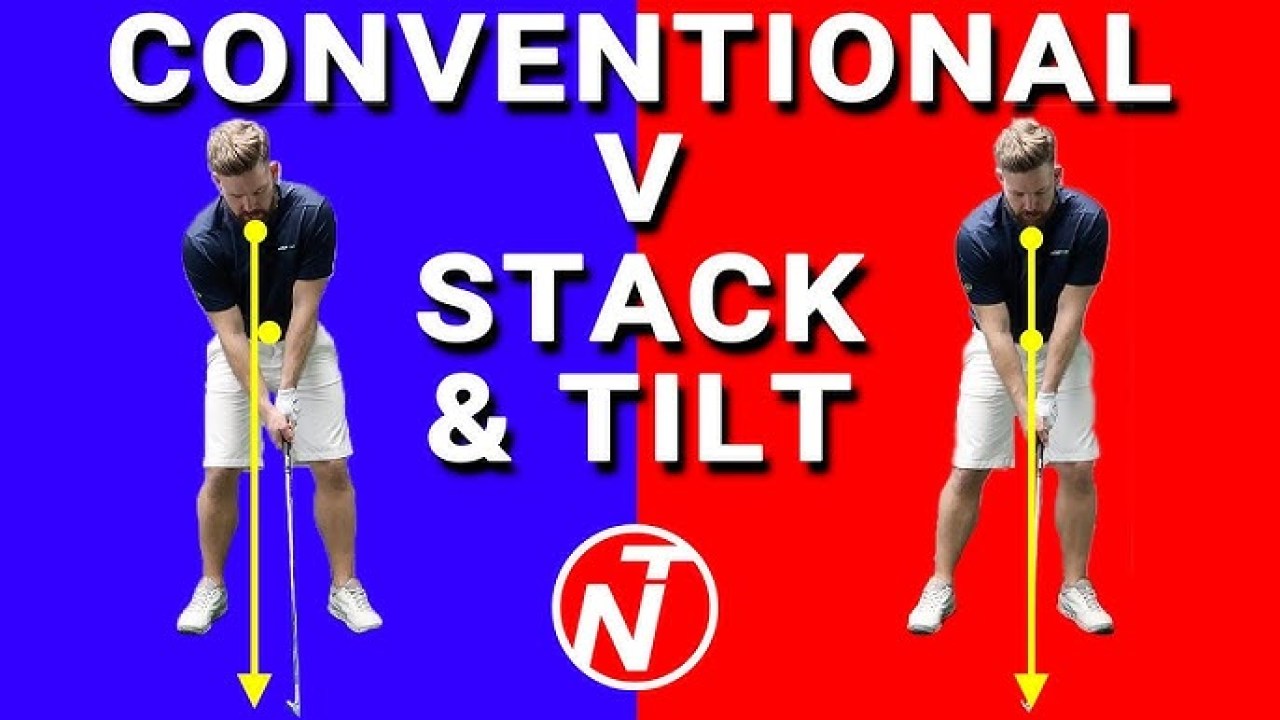
The main idea is to keep your weight forward, over the front foot. This helps create a solid base for the swing. The body stays centered and does not move side to side much. The hands lead the club through impact, controlling the swing path. The head stays steady, which helps with focus and balance. This method reduces big body shifts and keeps the swing simple.
Swing Mechanics
The swing starts with a slight forward tilt of the spine. The shoulders turn around this tilted axis. The hips shift slightly toward the target during the downswing. The hands stay in front of the body through impact. This helps deliver the clubhead squarely to the ball. The follow-through is more controlled, not too long or wild. This swing uses more arms and less body rotation than classic swings. It promotes a downward strike on the ball for better contact.
Advantages Of Stack And Tilt
The Stack and Tilt golf swing offers clear benefits for many players. It focuses on balance and control throughout the swing. This method helps golfers hit the ball more reliably. Below are some key advantages of using the Stack and Tilt technique.
Improved Ball Control
Stack and Tilt keeps your weight forward during the swing. This helps you control the clubface better. You can shape shots more easily with this method. Ball flight becomes more predictable. Control over distance and height improves significantly.
Consistent Contact
With weight staying on the front foot, contact improves. The swing encourages a downward strike on the ball. This reduces fat and thin shots. Striking the ball cleanly becomes easier. Consistency in hitting the sweet spot increases.
Enhanced Accuracy
The Stack and Tilt swing promotes a repeatable motion. This steadiness helps direct the ball more precisely. You can aim better and hit targets more often. Less slicing and hooking happen. Accuracy gains help lower scores on the course.
Drawbacks Of Stack And Tilt
The Stack and Tilt golf swing has many fans, but it is not perfect. Some players find it hard or limiting. Understanding its drawbacks helps decide if it fits your style.
Physical Demands
This swing method requires strong legs and core. It puts pressure on your lower body for balance. Players with weak muscles may struggle to keep form. Fatigue can build quickly during practice or play.
Limited Shot Variety
Stack and Tilt focuses on a consistent ball flight. It makes hitting many types of shots harder. Shots like fades or high draws are tough to master. This limits creativity and options on the course.
Potential For Overuse Injuries
The swing repeats the same motions often. This repetition can strain muscles and joints over time. Areas like knees, hips, and lower back are at risk. Without proper rest, injuries may develop slowly.
Comparison With Traditional Swings
The Stack and Tilt swing differs quite a bit from traditional golf swings. It changes how golfers move their weight and generate power. These changes affect how easy or hard the swing feels for different players.
Understanding these differences helps golfers choose the best swing style for their game.
Differences In Weight Shift
The Stack and Tilt swing keeps weight mostly on the front foot. This is unlike traditional swings, which shift weight to the back foot during the backswing. The front-foot focus helps keep the body more stable. Traditional swings use a larger weight shift to build momentum.
Impact On Power Generation
Traditional swings rely on weight shift to create power. The golfer moves weight back, then forward quickly. Stack and Tilt uses a steady weight position to control the club’s path. Power comes from a strong rotation and solid contact. This can produce consistent power but may feel less explosive.
Adaptability For Different Players
Stack and Tilt works well for players who want control and consistency. It suits golfers who struggle with balance in traditional swings. Traditional swings can fit a wider range of styles. Players who rely on a fast, wide motion may prefer traditional methods. Both swings require practice to fit the player’s strengths.
Who Benefits Most
The Stack and Tilt golf swing style suits certain types of players best. It focuses on a steady, controlled motion with clear body positioning. This method may not fit every golfer’s style. Understanding who benefits most helps you decide if this swing fits your needs.
Beginners And Amateurs
Beginners find the Stack and Tilt easier to learn. It keeps the weight forward, which helps with solid contact. This swing reduces common errors like swaying or losing balance. Amateurs often gain more control and confidence quickly. The clear steps make practice more effective for new players.
Players Struggling With Consistency
Golfers who hit the ball inconsistently may benefit a lot. Stack and Tilt encourages a repeatable swing path. It helps keep the clubface square to the ball. This leads to straighter shots and fewer mishits. Players gain better control of distance and direction over time.

Credit: www.youtube.com
Common Misconceptions
Many golfers hear about the Stack and Tilt swing and form quick opinions. Some believe it is a strict or unnatural method. Others think it limits power or causes injury. These common misconceptions can stop players from trying it. Understanding the truth helps golfers make better choices. The following sections clear up some myths and explain the real techniques behind Stack and Tilt.
Myths About Stack And Tilt
Some say Stack and Tilt makes you lean too much forward. This is not true. The swing focuses on balance and staying over the ball. Others believe it kills the natural hip turn. Actually, it uses a controlled hip turn to improve accuracy. People think it is only for beginners or lacks power. Many good players use it to hit strong and straight shots. These myths come from misunderstanding how the swing works in practice.
Clarifying Misunderstood Techniques
Stack and Tilt asks golfers to keep weight mostly on the front foot. This feels strange but helps solid contact. The upper body moves in a way that some call stiff, but it is just focused and controlled. The swing keeps the head steady, which some see as limiting, but it aids consistency. Many believe it stops a natural rhythm. The truth is it creates a repeatable motion suited for many players. Learning the correct form clears up these doubts and shows its real benefits.
Tips For Trying Stack And Tilt
Trying the Stack and Tilt golf swing needs focus and practice. This method changes how your body moves during the swing. Small changes can bring big results. Follow some useful tips to make your learning smooth and effective.
Practice Drills
Start with simple drills to build your balance. Stand with your weight mostly on your front foot. Practice swinging without hitting the ball. This helps you feel the right movement. Use a mirror to check your posture. Repeat swings slowly to get the timing right. Adding these drills to your routine improves control and consistency.
Avoiding Common Mistakes
Keep your head steady during the swing. Moving it too much breaks your balance. Don’t let your weight shift backward on the backswing. This reduces power and accuracy. Avoid standing too far from the ball. This causes poor contact and weak shots. Focus on a smooth, controlled motion to get better results.

Credit: www.youtube.com

Credit: theleftrough.com
Frequently Asked Questions
What Is The Stack And Tilt Golf Swing Technique?
The Stack and Tilt swing centers weight forward and keeps the spine tilted during the swing. It promotes consistency and power by limiting lateral movement. This method helps golfers maintain balance and improve ball striking accuracy.
What Are The Main Benefits Of Stack And Tilt Swing?
Stack and Tilt offers better ball contact and improved shot control. It reduces slicing and promotes a consistent swing plane. Golfers gain more power and accuracy with this method, making it popular for players seeking reliable performance.
Are There Any Drawbacks Of The Stack And Tilt Swing?
Some golfers find it limits flexibility and can cause tension. It may not suit players with natural swing diversity. Improper use may lead to inconsistent shots or injury if not practiced correctly.
Who Should Try The Stack And Tilt Golf Swing?
This technique suits golfers seeking consistency and better ball control. Beginners and intermediate players often benefit from its simplicity. Advanced players looking to fix slicing or hooking issues may also find it helpful.
Conclusion
The Stack and Tilt golf swing has clear strengths and weaknesses. It helps with ball control and consistent contact. Some players find it easier to learn and use. But the technique may cause strain if done wrong. It may not suit every golfer’s style or body type.
Choosing the right swing depends on your comfort and goals. Try practicing both traditional and Stack and Tilt swings. Feel what works best for your game. Keep your focus on steady improvement and enjoy playing golf.
Post Disclaimer
The information contained in this post is for general information purposes only. The information is provided by Pros And Cons of Stack And Tilt Golf Swing and while we endeavour to keep the information up to date and correct, we make no representations or warranties of any kind, express or implied, about the completeness, accuracy, reliability, suitability or availability with respect to the website or the information, products, services, or related graphics contained on the post for any purpose. For any copyright related requests, please write to us on our contacts page.